Ultimate Lighting Guide: Illuminate Your Space With Style
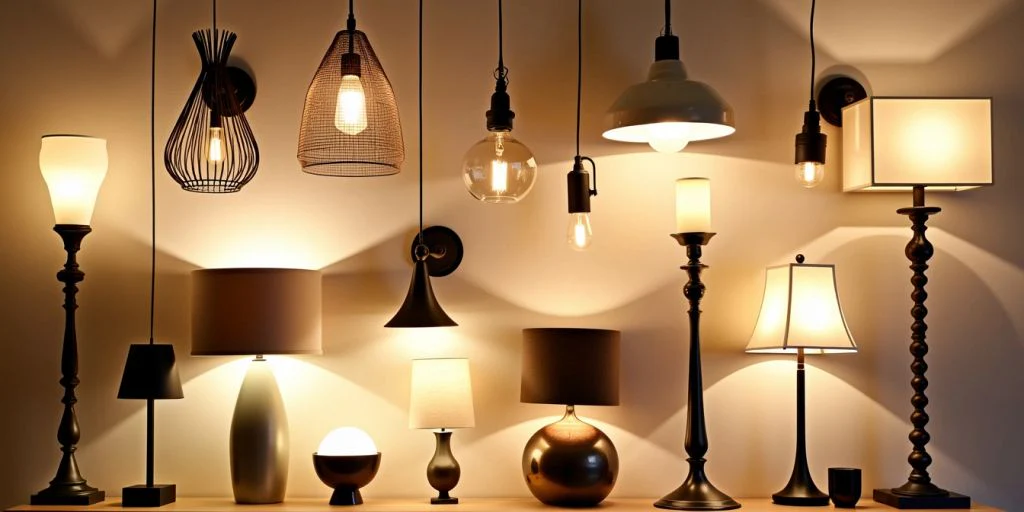
Lighting plays a crucial role in setting the tone and ambiance of any space. From enhancing the aesthetics of a room to improving productivity in a work environment, the right lighting can make a significant impact on both the functionality and atmosphere of a space. Whether you are designing a residential home, office space, or commercial establishment, understanding the different types of lighting and how to effectively utilize them is essential.
From natural light to artificial sources such as overhead fixtures, lamps, and accent lighting, there are various options to consider when designing the lighting scheme for a space. In this article, we will explore the importance of lighting design, the different types of lighting techniques available, and how to create a well-balanced and visually appealing lighting plan for any environment.
The Importance of Lighting Design
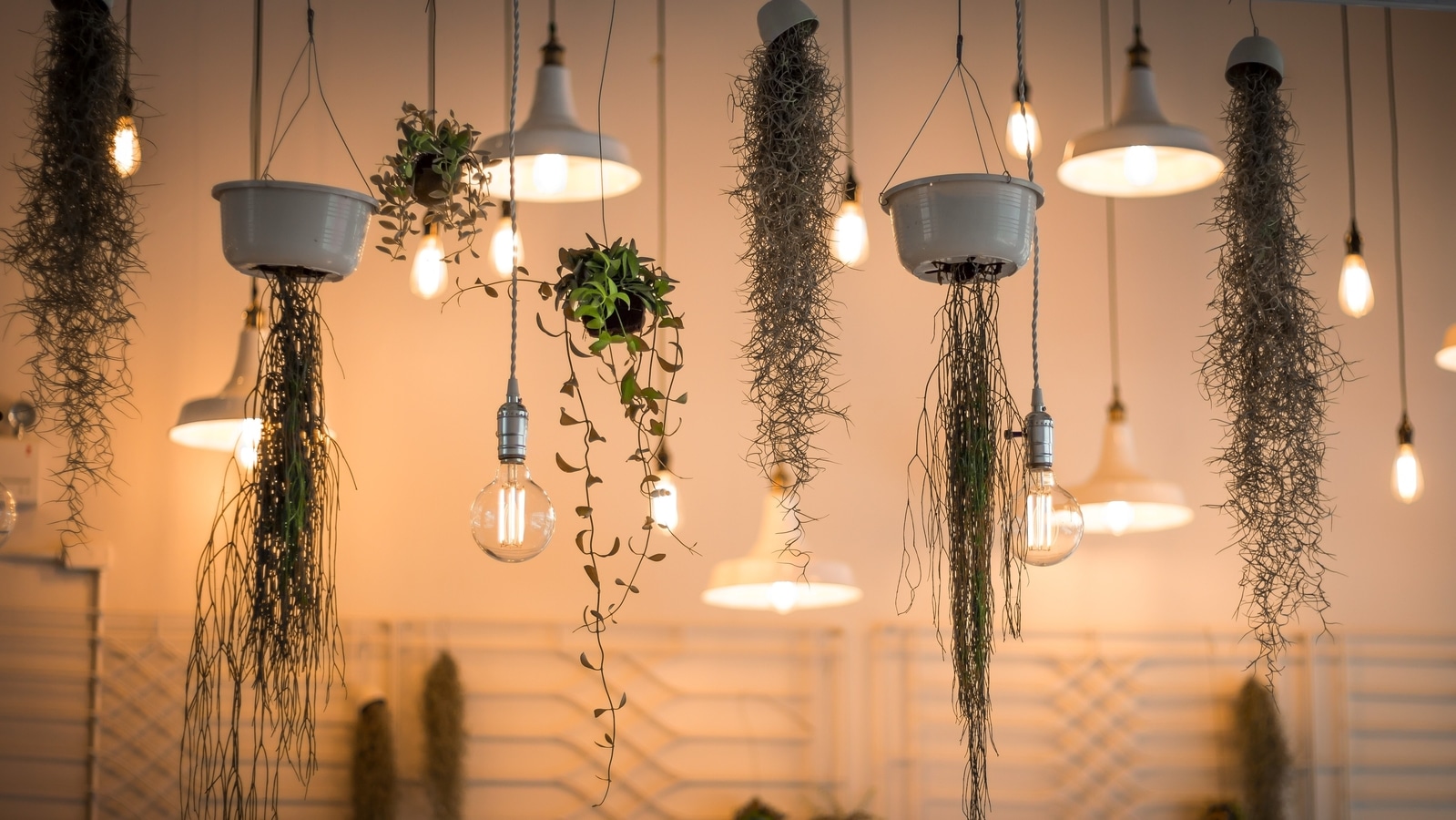
Effective lighting design is crucial in creating a space that is not only visually appealing but also functional. The right lighting can enhance the mood of a room, highlight architectural features, and improve overall productivity. Whether it’s a residential setting where cozy and warm lighting is desired or a workspace that requires bright and focused illumination, the design choices made can have a significant impact on the environment. By understanding the fundamentals of lighting design, such as color temperature, intensity, and placement, designers can create a space that meets the specific needs and enhances the overall experience for those who inhabit it.
Exploring Different Types of Lighting Techniques
There are various types of lighting techniques that can be used to achieve different effects in a space. From ambient lighting that provides overall illumination to task lighting that focuses on specific areas, each type serves a distinct purpose. Accent lighting, on the other hand, can be used to highlight artwork or architectural elements within a room. By combining these different techniques strategically, designers can create layers of light that add depth and dimension to a space. Understanding how to balance these various types of lighting is key to achieving a well-rounded and visually appealing lighting plan. For expert advice on lighting design, consider consulting professionals from lighting austin tx who specialize in creating customized lighting solutions for any environment.
Creating a Well-Balanced and Visually Appealing Lighting Plan
In order to create a well-balanced and visually appealing lighting plan, it is important to consider the specific needs and requirements of the space. Start by assessing the natural light sources available and then determine the areas that require additional lighting. Consider the activities that will take place in each area and choose the appropriate lighting techniques accordingly. By layering different types of lighting, you can create a dynamic and inviting atmosphere that meets both functional and aesthetic needs. Additionally, don’t be afraid to experiment with different fixtures, shapes, and angles to create interesting visual effects. With the right approach to lighting design, you can transform any space into a harmonious and engaging environment that enhances the overall experience for its users.
Leave a Reply