The Evolution of Insulation: From Traditional to Modern Solutions
The Evolution of Insulation: From Traditional to Modern Solutions
The evolution of insulation has seen a shift from traditional materials to modern, innovative solutions that offer improved performance, sustainability, and energy efficiency. Here’s a glimpse of this evolution:
Traditional Insulation Materials:
- Natural Materials: Early Insulation in St Petersburg FL solutions often relied on readily available natural materials like straw, mud, clay, and animal skins. These materials provided some level of thermal protection but had limitations in terms of durability and fire resistance.
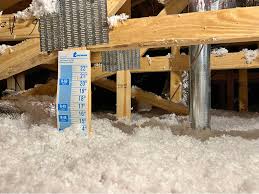
- Fibrous Materials: The development of fibrous insulation materials, such as cotton, wool, and later fiberglass and mineral wool, marked a significant advancement. These materials offered better thermal performance and fire resistance compared to natural options.
- Reflective Insulation: Reflective insulation, often consisting of layers of foil or reflective materials, became popular for its ability to reflect radiant heat. It was commonly used in attics and crawlspaces.
Modern Insulation Materials and Solutions:
- Fiberglass Insulation: Fiberglass insulation, introduced in the mid-20th century, quickly became a standard in residential and commercial construction. It features tiny glass fibers that trap air pockets, providing excellent thermal resistance. It is fire-resistant and widely available.
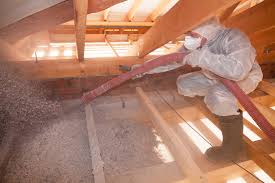
- Cellulose Insulation: Made from recycled paper products treated with fire-resistant chemicals, cellulose insulation is an eco-friendly choice. It can be blown or sprayed into wall cavities and attics, making it effective for retrofitting existing buildings.
- Spray Foam Insulation: Spray foam insulation is a versatile, high-performance option that expands upon application to fill gaps and create an airtight seal. It offers superior thermal resistance and is often used in walls, roofs, and crawlspaces.
- Rigid Foam Insulation: Rigid foam boards, such as expanded polystyrene (EPS), extruded polystyrene (XPS), and polyisocyanurate (polyiso), provide excellent insulation values and moisture resistance. They are commonly used in foundation walls, roofing, and under-slab applications.
- Aerogel Insulation: Aerogel, one of the lightest solid materials on Earth, is gaining attention for its exceptional insulating properties. It has a high R-value (thermal resistance) and is incredibly lightweight.
- Vacuum Insulation Panels (VIPs): VIPs consist of a core material enclosed in a vacuum-sealed panel. They offer exceptional thermal insulation in a very thin profile and are used in applications where space is limited.
- Phase Change Materials (PCMs): PCMs are materials that absorb and release heat as they change from a solid to a liquid or vice versa. They are used for their ability to regulate temperature and improve energy efficiency in buildings.
- Green and Sustainable Insulation: Sustainable insulation materials are becoming increasingly popular. These include recycled denim, wool, cork, and bio-based foams. They offer eco-friendly options for those looking to reduce their environmental impact.
- Smart Insulation: Advancements in technology have led to the development of smart insulation solutions that can adapt to changing conditions. For example, dynamic insulation systems use phase change materials to store and release heat as needed.
- Building Science Integration: Modern insulation solutions often incorporate building science principles, including air sealing and moisture management, to create more effective and efficient building envelopes.
In summary, the evolution of insulation has progressed from traditional, often locally sourced materials to a wide range of modern options that offer higher thermal performance, sustainability, and adaptability to diverse building needs. Today, homeowners and builders have access to a variety of insulation choices that can significantly improve energy efficiency and comfort in residential and commercial structures.
Leave a Reply