Top 10 Tips For Using A 3D Anatomy Model
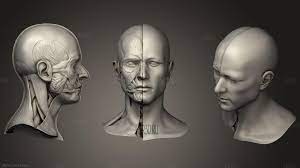
Advancements in technology have greatly impacted the medical field, allowing for more precise and detailed methods of studying and understanding the human body. One such innovation is the use of 3D anatomy models, which provide a realistic and interactive representation of the body’s anatomical structures. These models are revolutionizing the way medical students, healthcare professionals, and patients learn and visualize complex physiological systems.
With 3D anatomy models, users can manipulate and dissect different parts of the body to gain a deeper understanding of how they function and interact with each other. This technology also allows for more accurate diagnosis and treatment planning, making it an invaluable tool in medical education and practice. In this article, we will explore the benefits of 3D anatomy models and how they are transforming the way we study and comprehend the human body.
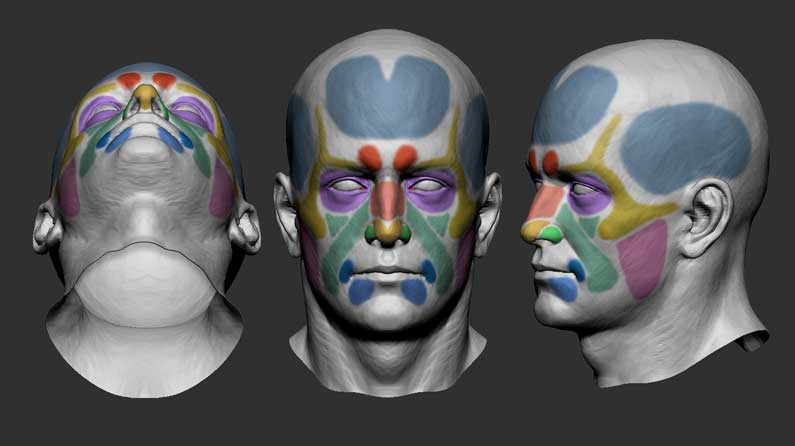
The Impact of 3D Anatomy Models
3D anatomy models have revolutionized medical education by providing a dynamic and interactive way for students to explore the complexities of the human body. Unlike traditional textbooks or 2D illustrations, these models offer a hands-on learning experience that allows users to rotate, zoom in, and dissect anatomical structures in real-time. By using 3d Anatomy Model, students can study the intricate details of the body in a way that mirrors a real-life dissection, enhancing their understanding of how different organs and systems work together.
Enhancing Diagnosis and Treatment Planning
In addition to its educational benefits, 3D anatomy models are also transforming the way healthcare professionals approach diagnosis and treatment planning. By utilizing advanced imaging techniques and patient-specific data, these models can help doctors visualize complex conditions and plan surgeries with greater precision. The ability to interact with a 3D representation of a patient’s anatomy allows for more accurate assessments and customized treatment strategies, ultimately improving patient outcomes.
In conclusion, 3D anatomy models have significantly improved the way we study, understand, and visualize the human body. From revolutionizing medical education to enhancing diagnosis and treatment planning, this innovative technology has become an invaluable tool in the healthcare field. By providing a realistic and interactive representation of anatomical structures, 3D anatomy models offer a dynamic learning experience that transcends traditional methods. As technology continues to advance, we can expect to see even more groundbreaking applications of 3D anatomy models that will further transform the practice of medicine and improve patient care.
Leave a Reply