Business
Discover the Allure of Vintage Gas Station Signs: A Journey Back in Time
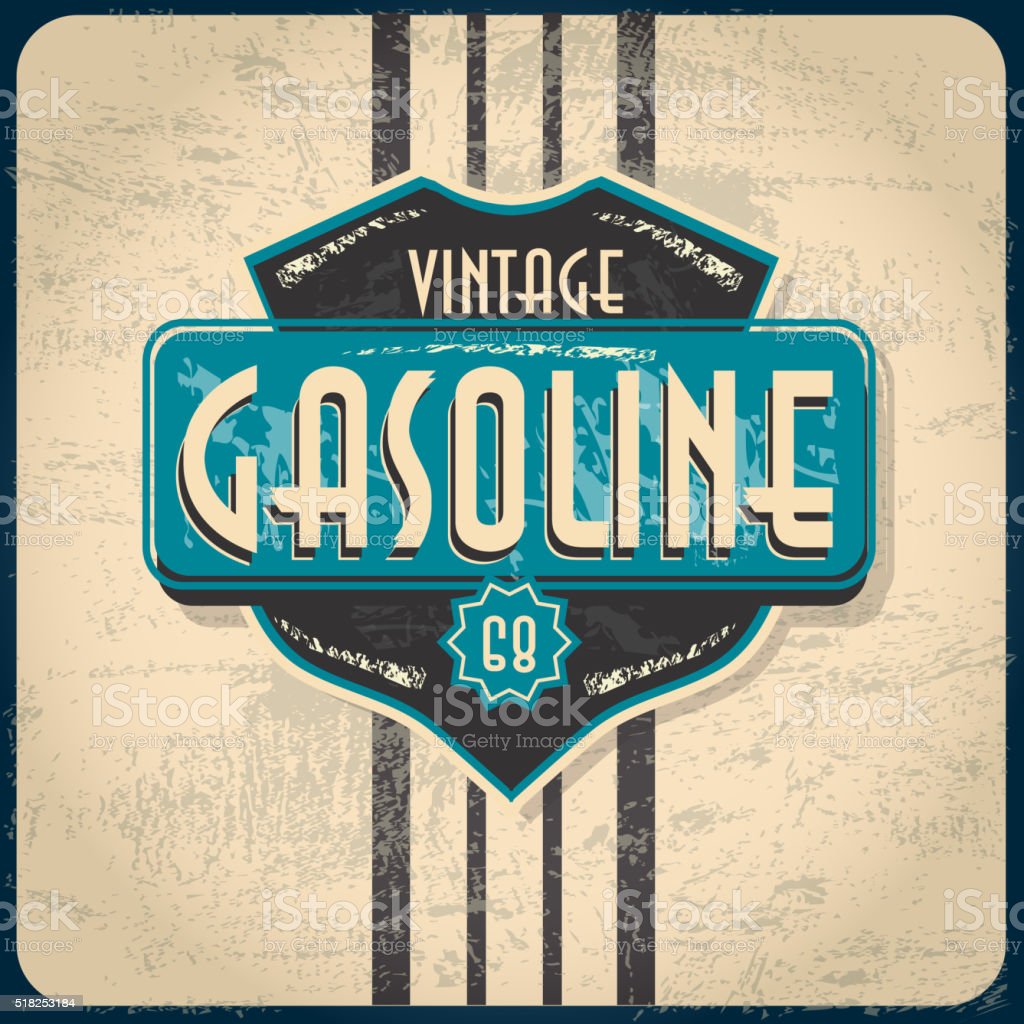
In the fast-paced modern world we live in, it’s easy to get caught up in the hustle and bustle of everyday life. However, there are moments when we yearn for a simpler time, a glimpse into the past that fills us with nostalgia and wonder. One such captivating aspect of days gone by is the vintage gas station signs that once adorned the roadsides, guiding travelers and exuding a charm that still captivates collectors and enthusiasts to this day. At the auction, the vintage gas pump globe with intricate hand-painted details became the center of attention as bidders eagerly vied for the opportunity to own the most expensive gas globe ever sold.
The Timeless Appeal of Vintage Gas Station Signs
Gas station signs from the early to mid-20th century hold a unique allure that goes beyond their practical function. These signs, often crafted with intricate designs and vibrant colors, were an essential part of the American landscape during the heyday of road travel. They represented more than just a place to fuel up; they were beacons of hospitality, guiding weary drivers to rest, refresh, and refuel.
1. The Birth of Gas Station Signs
As the automobile industry took off and travel by road became increasingly popular, the need for clear and recognizable signage at gas stations became evident. In the early days, gas stations used simple signs with basic text indicating the fuel prices and available services. However, as competition grew, station owners sought creative ways to attract customers, giving birth to the era of decorative and eye-catching gas station signs.

2. The Artistry and Craftsmanship
One of the most remarkable aspects of vintage gas station signs is the level of artistry and craftsmanship that went into their creation. Skilled artisans hand-painted intricate designs on large metal or porcelain panels, showcasing not only the name of the gas station but also iconic symbols and logos associated with the brand. These signs became iconic representations of the gas stations themselves and often left a lasting impression on passersby.
Collecting Vintage Gas Station Signs: A Passionate Pursuit
Collecting vintage gas station signs has evolved into a passionate hobby for many enthusiasts around the world. These signs have become highly sought-after collectibles, not only for their historical significance but also for their artistic appeal. Let’s delve into the world of vintage sign collecting and explore why these relics from the past hold such value.
1. Nostalgia and Sentimentality
For collectors, vintage gas station signs are more than just artifacts; they are windows into a bygone era. Many enthusiasts recall fond memories of road trips with their families, and these signs evoke a sense of nostalgia and sentimentality that is hard to replicate with any modern-day marketing materials. The signs bring back the charm of simpler times, making them highly treasured items for collectors.
2. Rarity and Authenticity
As the years go by, vintage gas station signs become increasingly rare, adding to their allure among collectors. Genuine signs from the early 20th century are harder to find, and those in good condition are considered valuable artifacts. The scarcity of these signs makes them highly coveted pieces that enthusiasts are willing to go to great lengths to acquire.
3. Art and Aesthetics
Beyond their historical significance, many collectors view vintage gas station signs as works of art. The intricate designs, hand-painted details, and weathered patina contribute to their artistic appeal. These signs serve as a fusion of advertising and art, showcasing the talent of the craftsmen who created them. Displaying these signs in a collection not only adds a touch of vintage charm to any space but also celebrates the creativity of a bygone era.
Preserving the Legacy: Restoring Vintage Gas Station Signs
As with any cherished collectible, the preservation and restoration of vintage gas station signs are crucial to maintaining their beauty and historical significance. Many collectors take on the responsibility of carefully restoring these signs to their former glory, ensuring that future generations can continue to appreciate their charm and significance.
1. Finding Hidden Gems
Restoring vintage gas station signs often involves scouring flea markets, antique shops, and online auctions in search of hidden gems. Some collectors take pride in discovering signs that have been overlooked or forgotten, giving them a new lease on life.
2. Restoring with Precision
The restoration process requires great skill and attention to detail. Collectors often collaborate with expert restorers who specialize in preserving vintage signage. This meticulous process involves cleaning, repainting, and repairing any damage to ensure the sign remains as authentic as possible.
3. Displaying the Collection
Once restored, the vintage gas station signs are proudly displayed in collectors’ homes, garages, or even dedicated museums. Showcasing these signs not only adds character to the space but also allows others to appreciate the artistry and historical significance they represent.
Conclusion
In conclusion, vintage gas station signs are more than just relics of the past; they are timeless pieces of art that capture the spirit of a bygone era. From their humble beginnings as simple guideposts to the intricate and captivating signs that once adorned the American landscape, these pieces hold a special place in the hearts of collectors and enthusiasts alike.
As we journey back in time through the allure of vintage gas station signs, we rediscover the artistry and craftsmanship that once defined a nation’s roadways. Their appeal lies not only in their historical significance but also in the sense of nostalgia and sentimentality they evoke. Through the dedicated efforts of collectors and restorers, we can preserve the legacy of these remarkable signs and ensure that their charm continues to captivate generations to come.
So, the next time you stumble upon a vintage gas station sign, take a moment to appreciate the artistry and history it represents—a reminder of a simpler time that continues to inspire and charm us to this day.