Hydroponic Disadvantages: Navigating Challenges in Soilless Farming
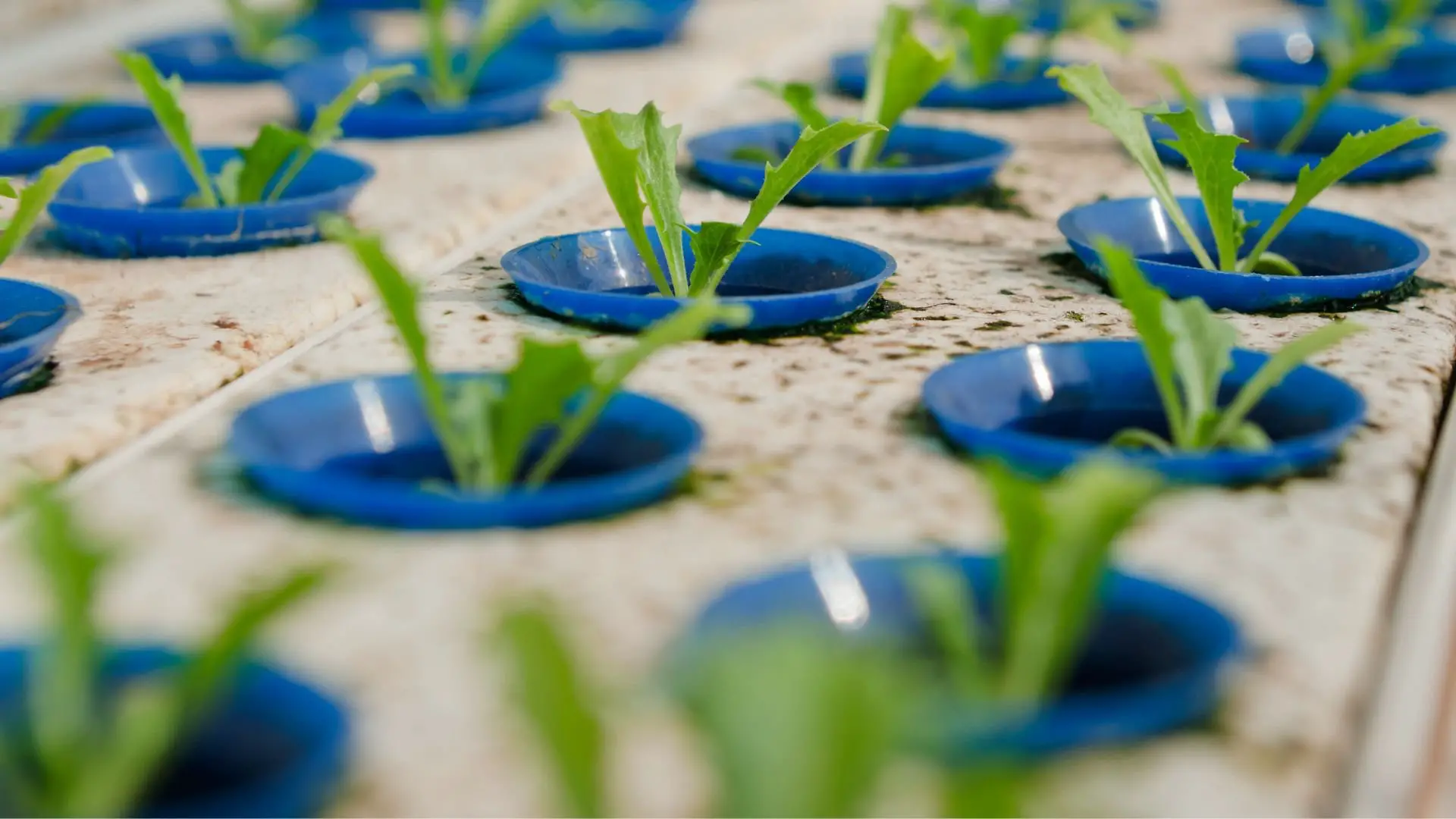
Hydroponics, a soilless method of farming, has gained significant attention for its numerous advantages, including higher crop yields, resource efficiency, and sustainability. However, like any agricultural system, hydroponics is not without its disadvantages. Understanding and addressing these challenges is essential for successful soilless farming. In this blog post, we’ll explore the key disadvantages of hydroponics and how growers can navigate them. For more information regarding hydroponic plant one can visit our site https://hydroponicglobal.com.au/.
1. Initial Setup Costs:
One of the most significant disadvantages of hydroponics is the relatively high initial setup costs. Hydroponic systems require infrastructure, equipment, and technology such as grow lights, pumps, nutrient delivery systems, and climate control. These investments can be substantial, posing a barrier for some prospective growers.
Addressing the Challenge:
– Start Small: Beginning with a smaller hydroponic setup can help manage initial costs while gaining valuable experience.
– Research Funding Options: Explore grants, loans, or agricultural programs that may provide financial support for hydroponic projects.
2. Technical Expertise Required:
Successful hydroponic farming demands a level of technical knowledge and expertise. Growers must understand how to maintain the nutrient solution, manage environmental factors, and troubleshoot issues that may arise. This learning curve can be challenging, especially for beginners.
Addressing the Challenge:
– Education and Training: Invest in training and education to acquire the necessary skills and knowledge.
– Consultation: Seek guidance from experienced hydroponic growers or hire consultants to assist with system setup and maintenance.
3. Energy Consumption:
Hydroponic systems, particularly those operating indoors, can consume a significant amount of energy. Grow lights, climate control systems, and water pumps contribute to higher electricity bills. This can impact the overall cost-effectiveness of hydroponic farming.
Addressing the Challenge:
– Energy-Efficient Equipment: Invest in energy-efficient lighting and HVAC systems to reduce energy consumption.
– Off-Grid Solutions: Explore renewable energy sources such as solar panels to offset energy costs.
4. Vulnerability to System Failures:
Hydroponic systems are more susceptible to system failures compared to traditional soil-based farming. Malfunctions in equipment, nutrient imbalances, or power outages can quickly impact plant health and crop yields.
Addressing the Challenge:
– Redundancy Planning: Implement backup systems for critical components to minimize downtime during failures.
– Regular Maintenance: Perform routine maintenance and inspections to identify and address potential issues proactively.
5. Continuous Monitoring and Management:
Hydroponic systems require consistent monitoring and management. Nutrient solution pH and EC levels, water quality, and environmental conditions must be closely monitored and adjusted as needed. This can be time-consuming and labor-intensive.
Addressing the Challenge:
– Automation: Invest in automated systems that can monitor and adjust environmental factors, reducing the need for constant manual intervention.
– Data-Driven Decisions: Use data from sensors and monitoring systems to make informed adjustments, improving system efficiency.
6. Market Access and Distribution:
While hydroponically grown produce often commands premium prices, accessing the market and establishing distribution channels can be challenging for small-scale growers. Navigating the complexities of marketing and distribution can be a disadvantage.
Addressing the Challenge:
– Market Research: Conduct market research to identify local demand and target niche markets.
– Direct Sales: Explore direct-to-consumer sales through farmers’ markets, community-supported agriculture (CSA) programs, or online platforms.
In Conclusion:
Hydroponics offers a range of advantages, but it’s essential to consider the associated disadvantages. By addressing these challenges through careful planning, education, and strategic decision-making, growers can harness the full potential of hydroponic farming. While hydroponics may not be without its hurdles, it remains a promising and innovative approach to sustainable and efficient agriculture.
Leave a Reply